WIP Ready Journal
Field notes on construction finance.
Practical writing on WIP schedules, ASC 606, profit fade, and the monthly close — for the finance teams and project managers who actually build the numbers.

Why Does Finance Keep Asking You for a Cost-to-Complete Number?
Every month finance asks you for a cost-to-complete. Here's what that number actually does after you hand it over — in plain English, from one PM to another.
You Just Outgrew the Small-Contractor Tax Exemption. Here's Your First WIP Schedule.
Your three-year average gross receipts crossed the $32M IRC §460 line for 2026, so completed-contract is off the table and percentage-of-completion is now required. Here is the first WIP schedule you have to build, the columns it needs, and a first-month checklist.

WIP Bid Prequalification: What GC Primes and Private Owners Check Before They Let You Bid
Your WIP schedule is not just a bonding document. GC primes and private owners require it before they let you bid, a separate gate from your surety, and public agencies often ask for the same work-on-hand detail. Here is what each committee reads.
Why Your PMs Don't Submit Their Cost-to-Complete on Time (And How to Fix It)
PMs don't skip their cost-to-complete out of laziness — they're avoiding a guess that can be read back to them later. Four reasons they submit late, and the specific fix for each, so your WIP closes on time.
Why Your PM's Cost-to-Complete Is Usually Wrong: Four Reasons That Distort Your WIP Report
The ETC is the one number on your WIP that comes entirely from a PM's judgment. Four construction-specific conditions make it systematically too low — and each one prints a gain on the schedule your surety reads as real.

The Five WIP Signals a Construction Controller Should Track Every Month
You already build a WIP every month. These are the five numbers to pull from it each cycle — gain/fade velocity, overbilling coverage, ETC staleness, underbilling aging, and POC accuracy — and what each one predicts about where your jobs are heading.

The WIP Overbilling and Underbilling Patterns That Trigger a Surety Flag
Three billing patterns put your WIP on a surety underwriter's watch list: sustained overbilling, late-stage underbilling, and single-job concentration. Here's the named Old Republic carrier data on the underbilling case, the escalation sequence these patterns trigger, and how to correct the position in Procore before renewal.
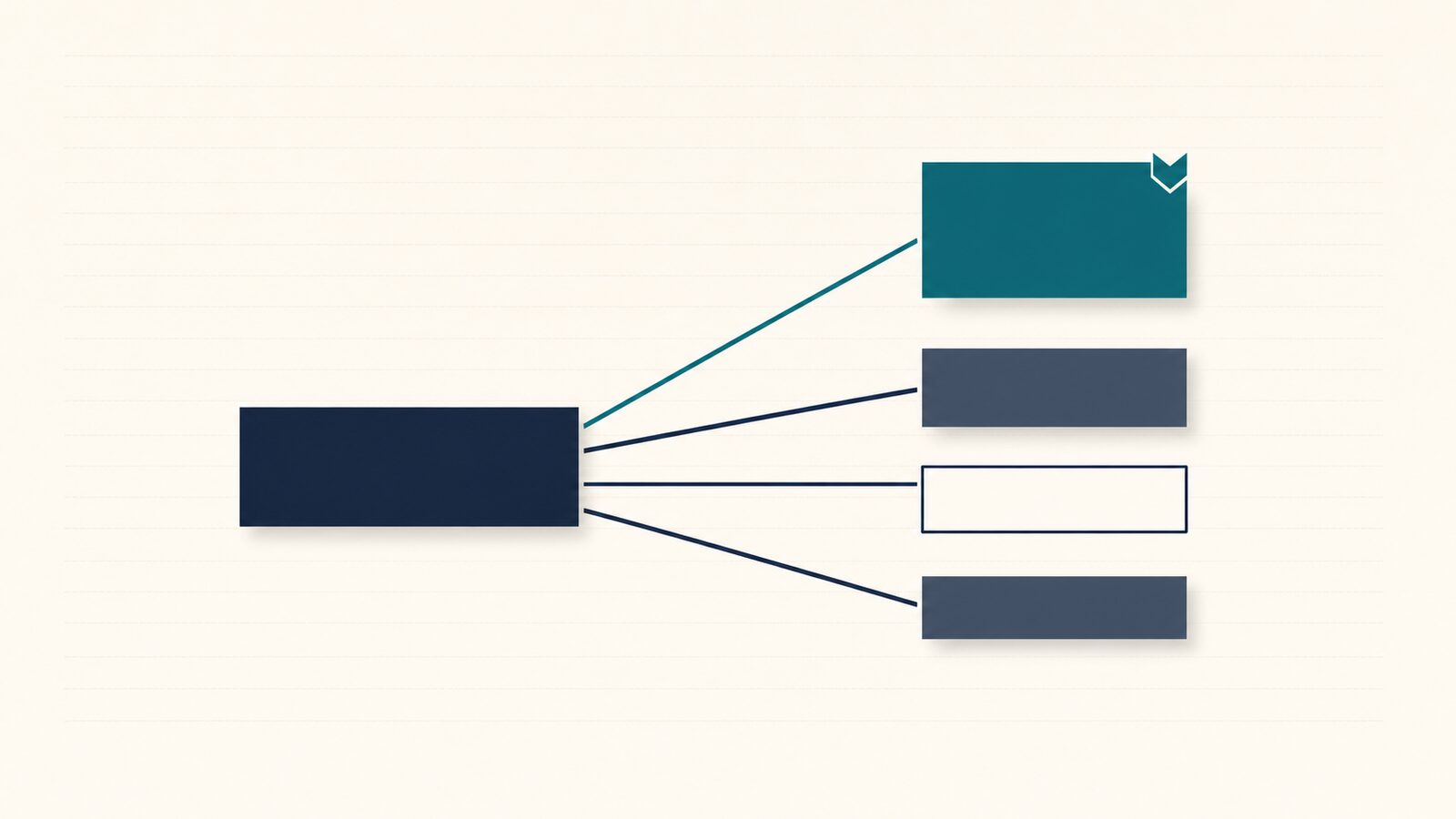
Procore's Four Forecast-to-Complete Methods, Explained for the PM Who Has to Pick One
Procore gives you four ways to calculate Forecast to Complete. Here's which method to pick for each budget line — and what your choice does to how far along finance can say the job is.
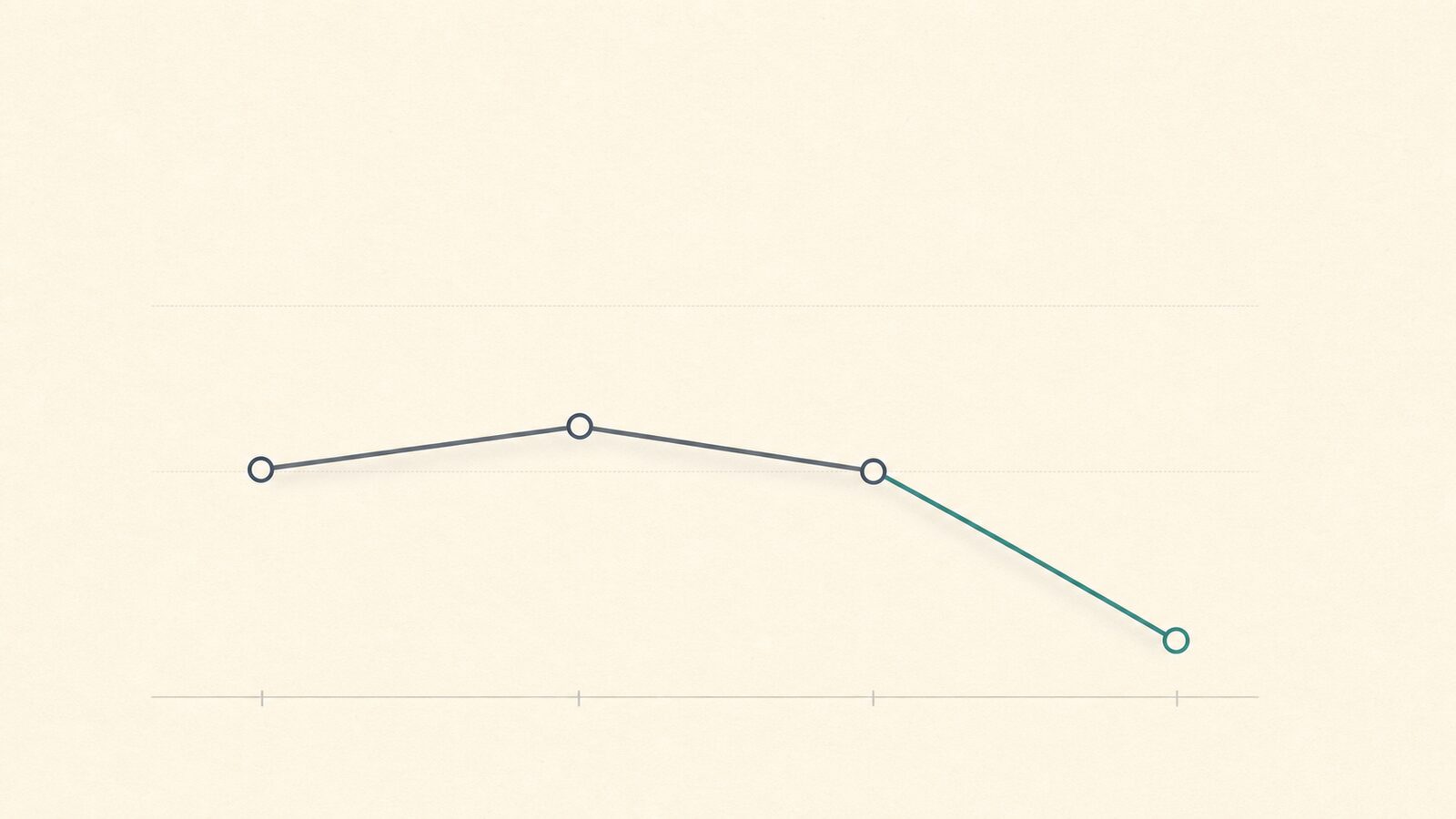
Job Gain and Job Fade in Your WIP: What the Trend Line Is Telling You
The gain/(fade) column is the period-over-period change in each job's estimated gross profit. Read its slope across three or four WIP cycles and it tells you where a job lands at 100% — while there's still runway to act.

What Surety Underwriters Actually Look for in Your WIP Report (And the 5 Red Flags That Kill Capacity)
Surety underwriters read every WIP report for the same five patterns. Here's what each one signals about your file — and how to fix it before your renewal meeting.

How to Read Your WIP Report Like a Surety Underwriter (Before Your Annual Review)
Your surety runs the same five diagnostic tests on your WIP at every renewal. Here's how to run them yourself first — with the exact pass/fail threshold for each — 60 to 90 days before the meeting.

How to Update Your Cost to Complete in Procore
Procore has a Forecast to Complete column in the Budget tool — here's how to update it, which calculation method to pick, and why finance asks you for that number every month.
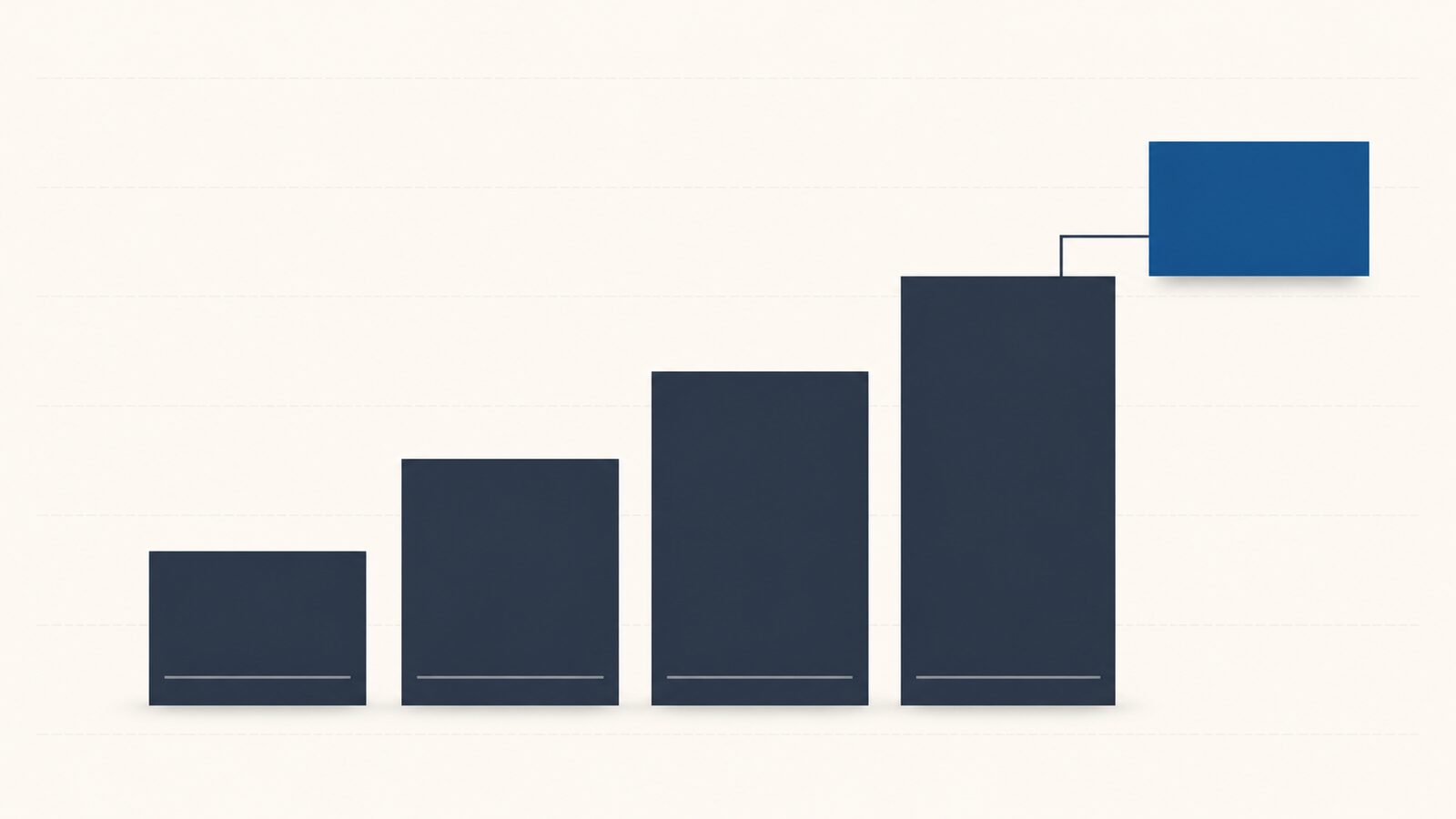
How WIP Is Calculated in Construction (With a Worked Example)
The four-step formula chain every controller uses to build a WIP schedule — EAC, percent complete, earned revenue, and the over/under-billing position — with a full worked example and the adjusting journal entry.
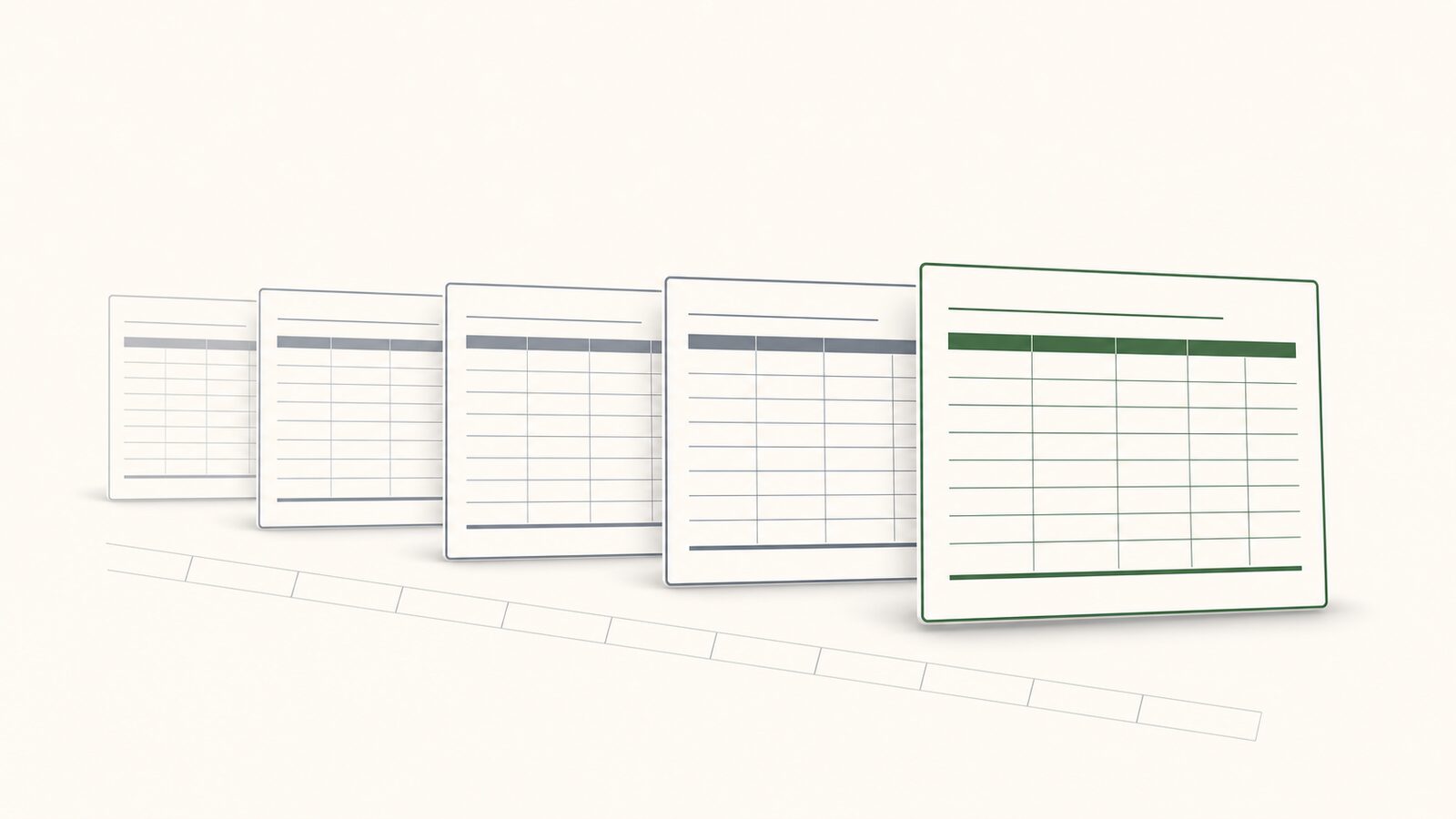
What a Hardening Surety Market Means for Your WIP (2026)
Capacity is ample in 2026, but the bar to qualify for it just rose. Here's what a hardening surety market means for how often — and how clean — your WIP schedule needs to be.
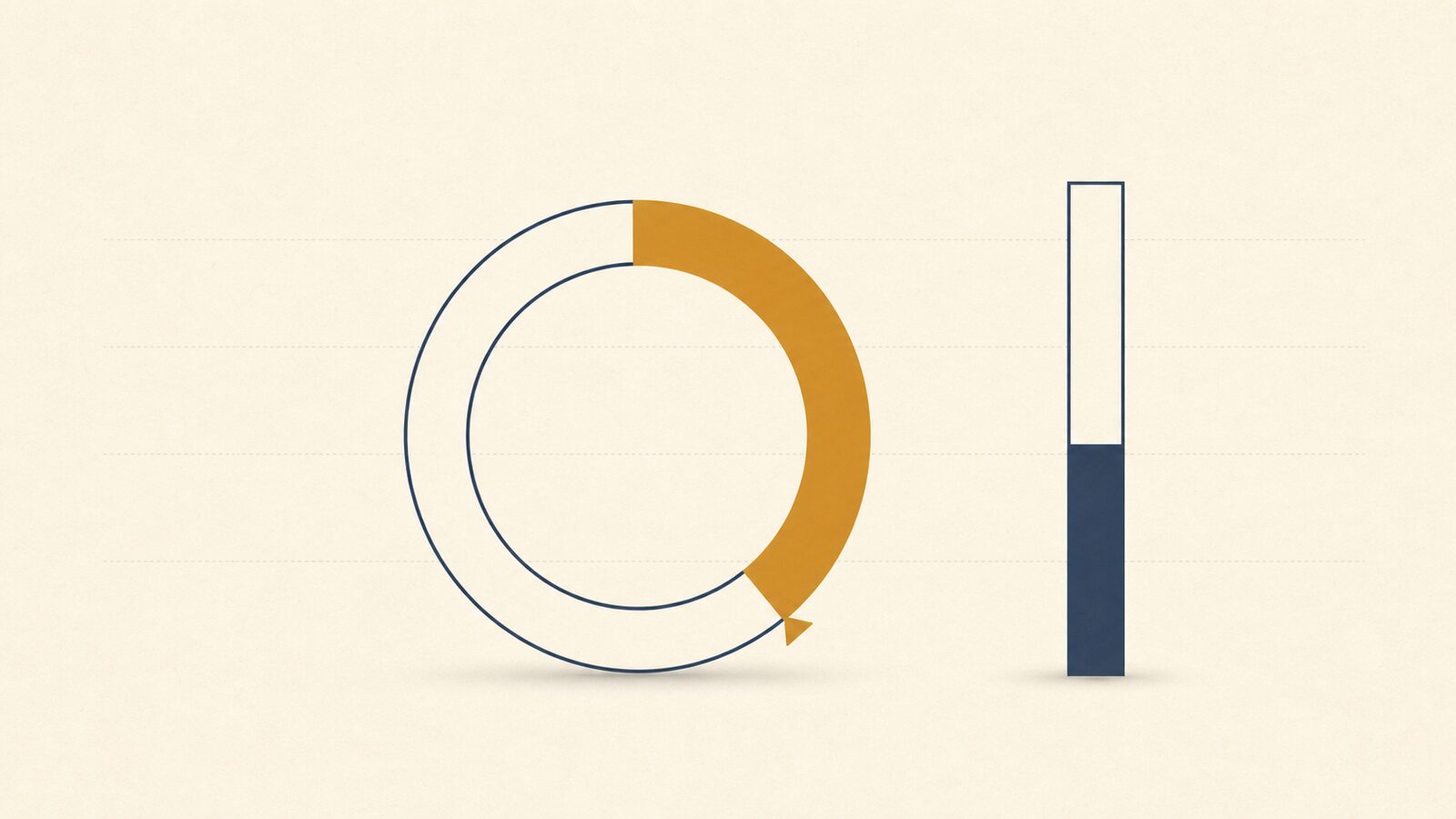
Percentage-of-Completion Under ASC 606: A Contractor's Practical Guide
How contractors compute percentage-of-completion with the cost-to-cost method, why the PM's cost-to-complete drives the whole calculation, and what changes for tax versus GAAP.
How Change Orders Move Your Cost to Complete
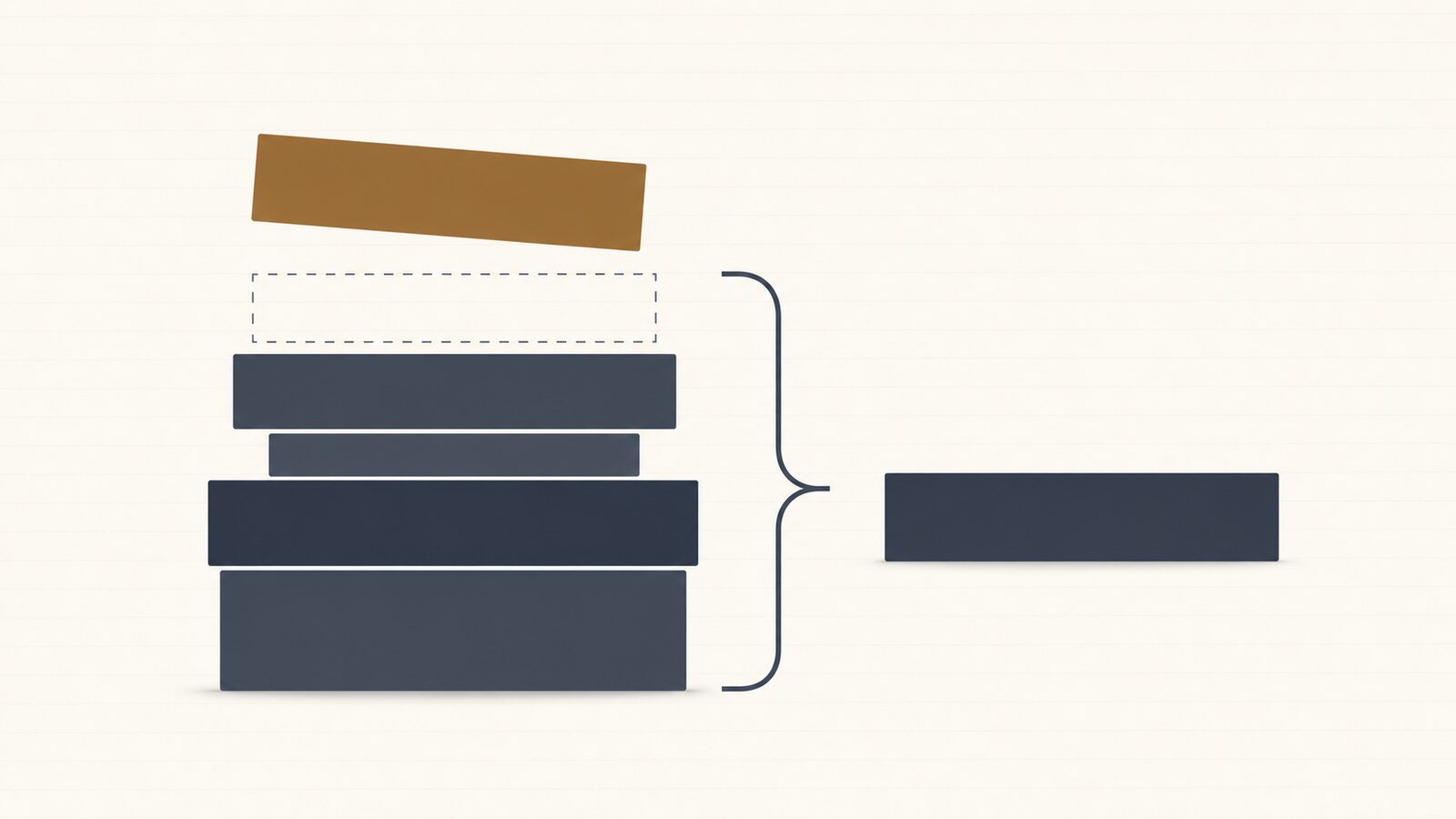
Every change order is a question about how much more it will cost to finish the job. Here's how each type — approved, pending, disputed, or deduct — moves the number you report.
Working Capital and Bonding: The Number Sureties Care About Most
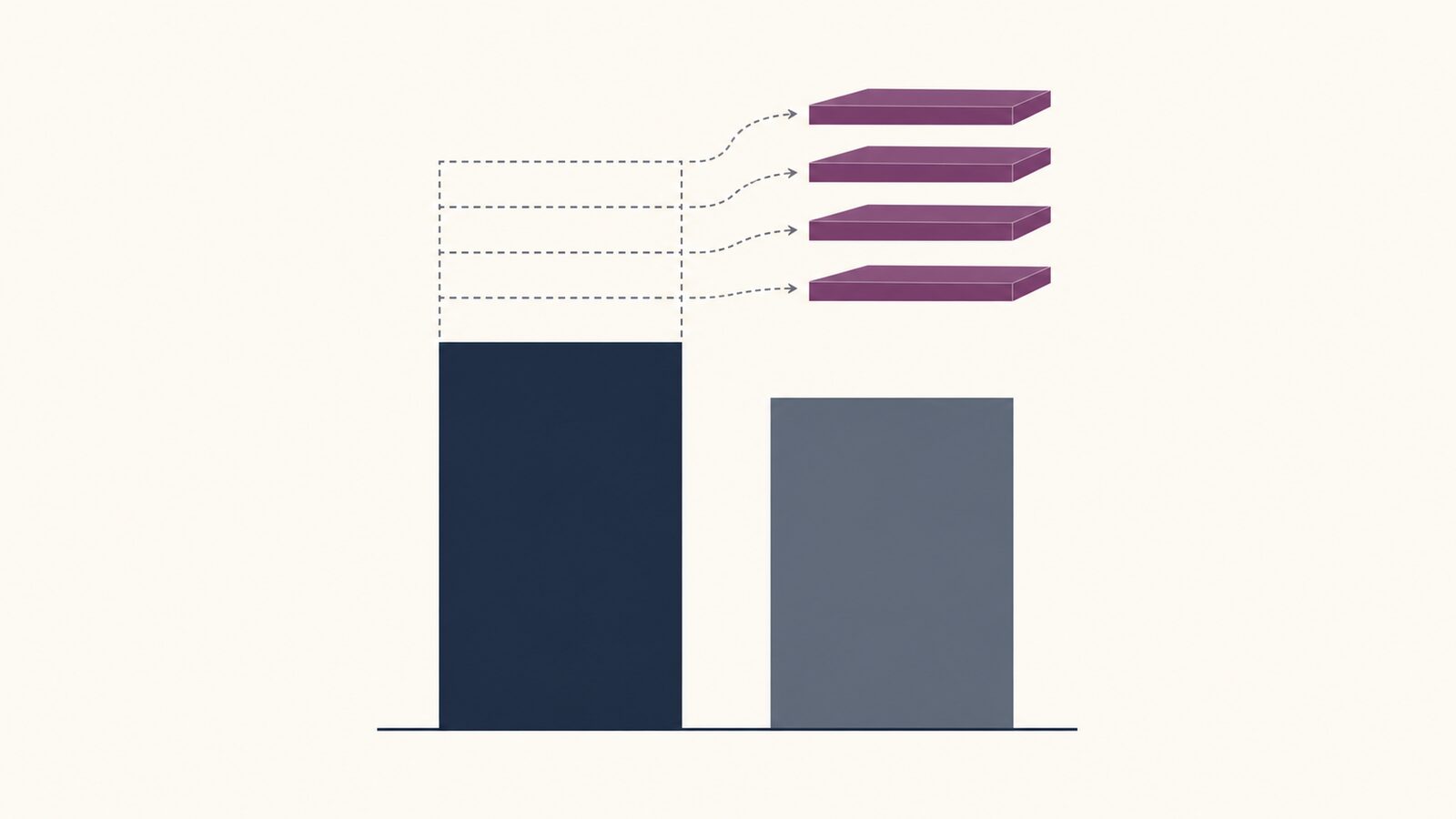
Sureties don't use your raw working capital figure to set your bonding limit — they adjust it. Here's what gets stripped out, the rule-of-thumb multiple, and how your WIP schedule feeds the number.
Why Your WIP Never Ties Out — and What to Do About It
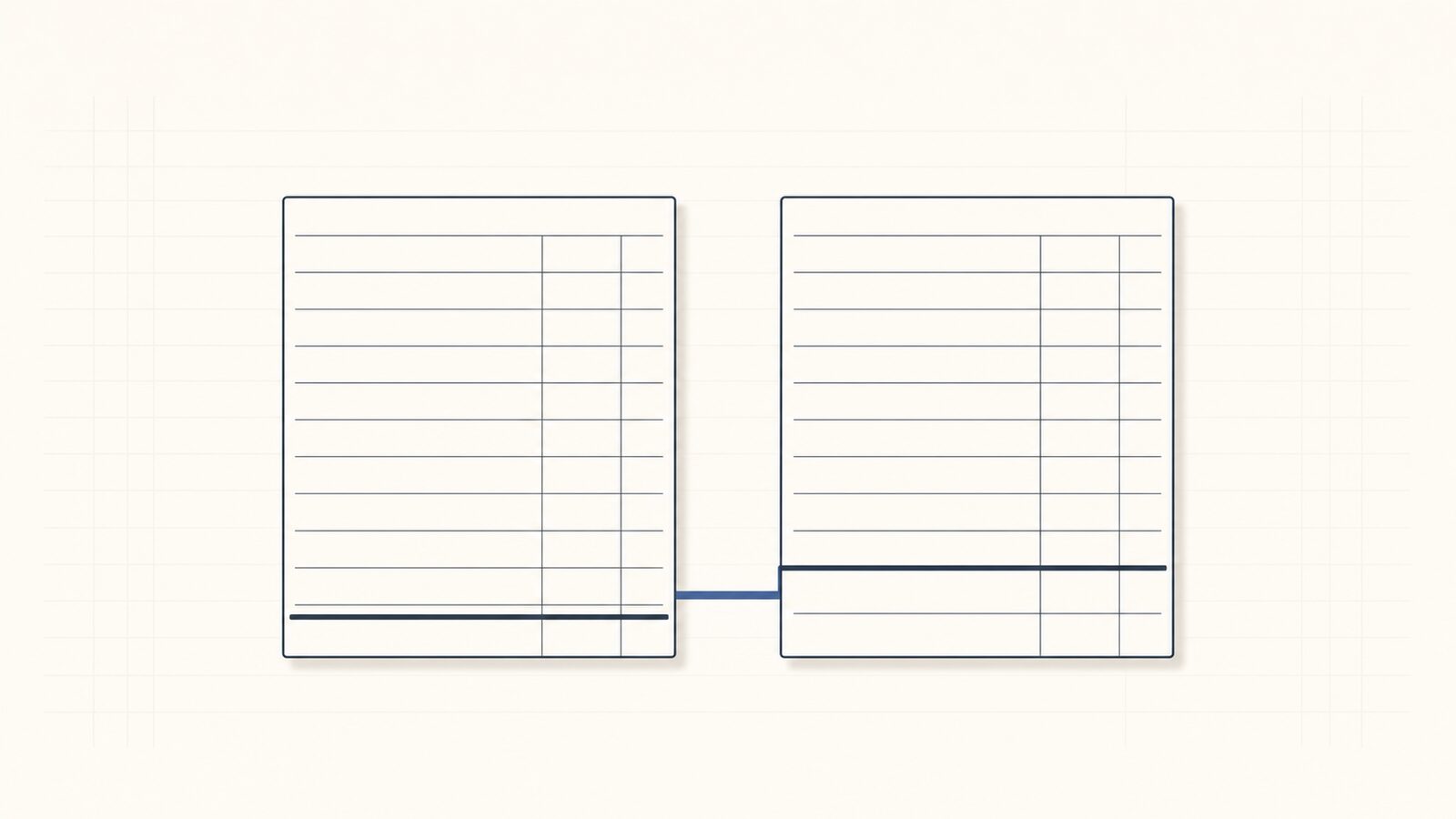
Your WIP schedule and the general ledger never quite agree. Here are the four structural reasons a WIP fails to reconcile, and the exact adjustment journal entry that trues it up.
WIP Software for Procore: What Actually Works Without Leaving Procore
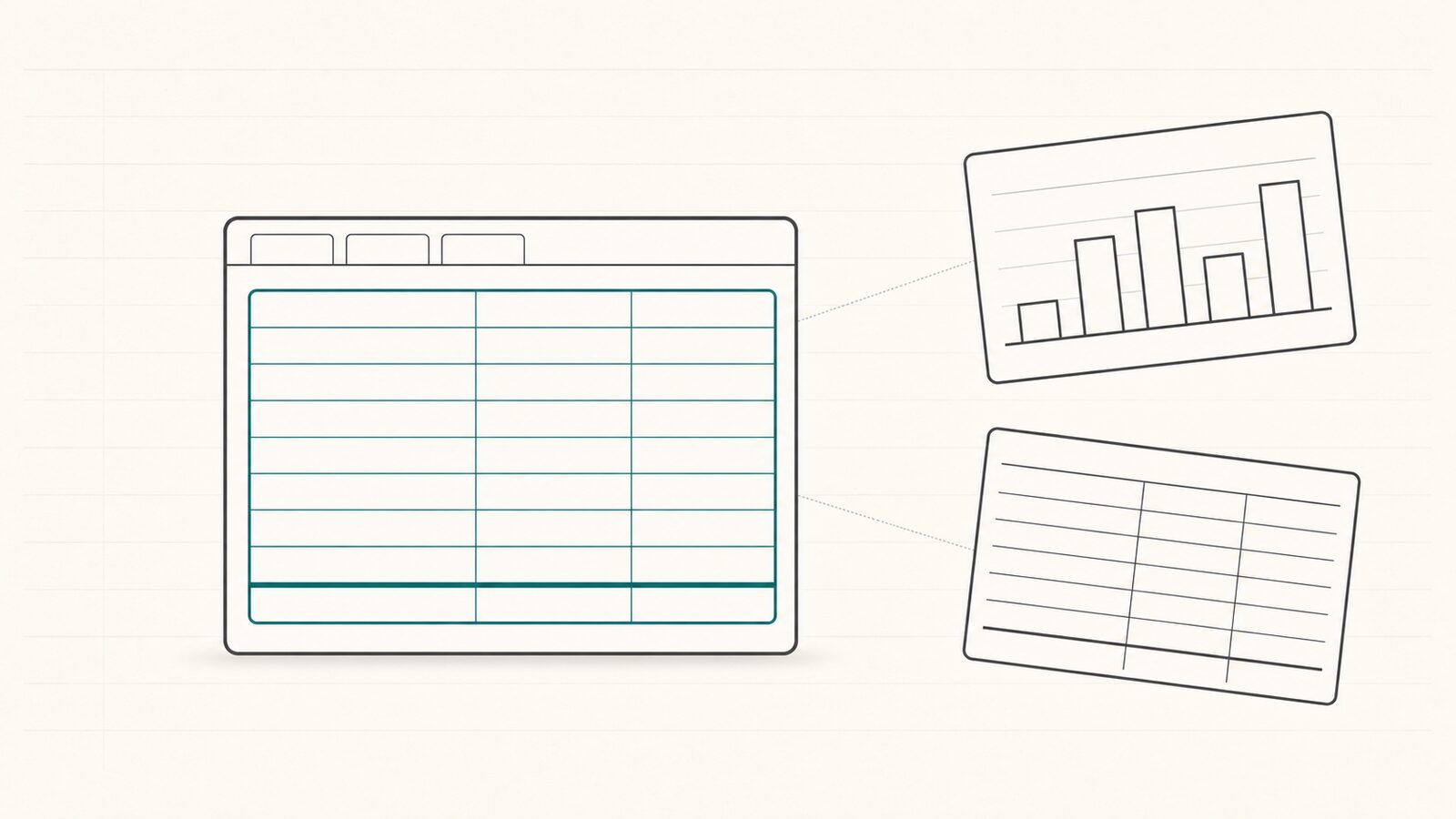
Most WIP software for Procore makes you work somewhere else — an ERP, a BI dashboard, or a spreadsheet. Here is how the categories actually compare, and where the embedded option fits.
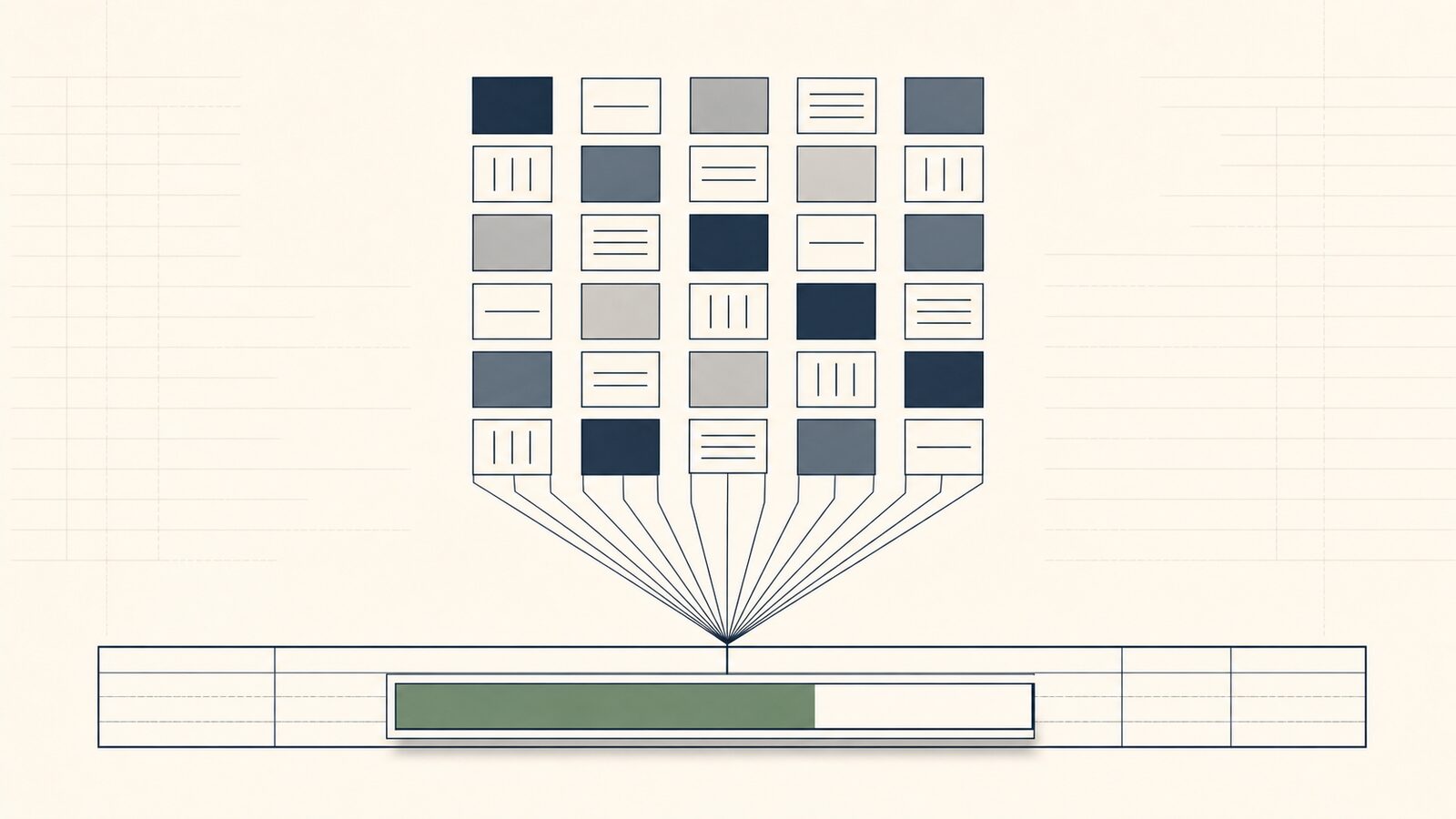
Construction Job Costing: How It Feeds Your WIP Schedule
Job costing tells you where each job is. The WIP schedule turns those cost codes into the earned-revenue, billing, and forecast picture your surety, bank, and CPA actually read.

What Your Surety Underwriter Actually Reads in Your WIP Schedule
Your WIP schedule sets your bonding capacity. Here is the exact four-question read your surety underwriter runs — and how each column builds or destroys your limit.
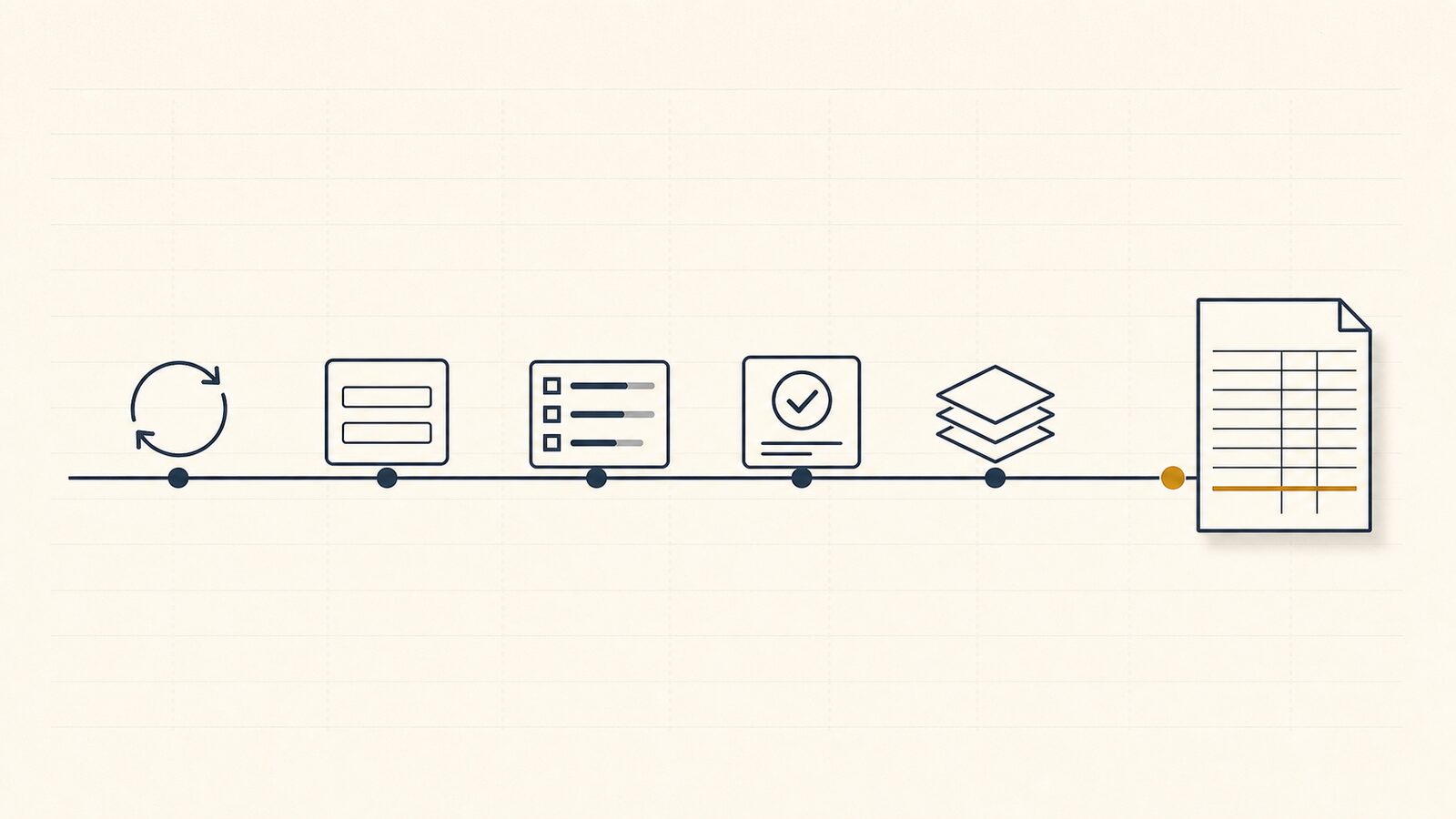
How to Run a Monthly WIP Close in Procore: 6 Steps
A step-by-step walkthrough of the six-step monthly WIP close — from the Procore data pull to the surety-ready export — and where the 45 minutes of active work actually goes.

Over/Under Billing in Construction: Formula, Worked Example, and What It Tells Your Surety
Over/(under) billing equals billed to date minus earned revenue. The formula chain as a table, a worked example that recomputes exactly, and what each position tells your surety underwriter.

What Is Estimate to Complete? A Guide for Project Managers
Estimate to complete is how much more it will cost to finish the job from today. A plain-English guide for the project manager who produces the number — and the two-minute monthly habit that protects it.
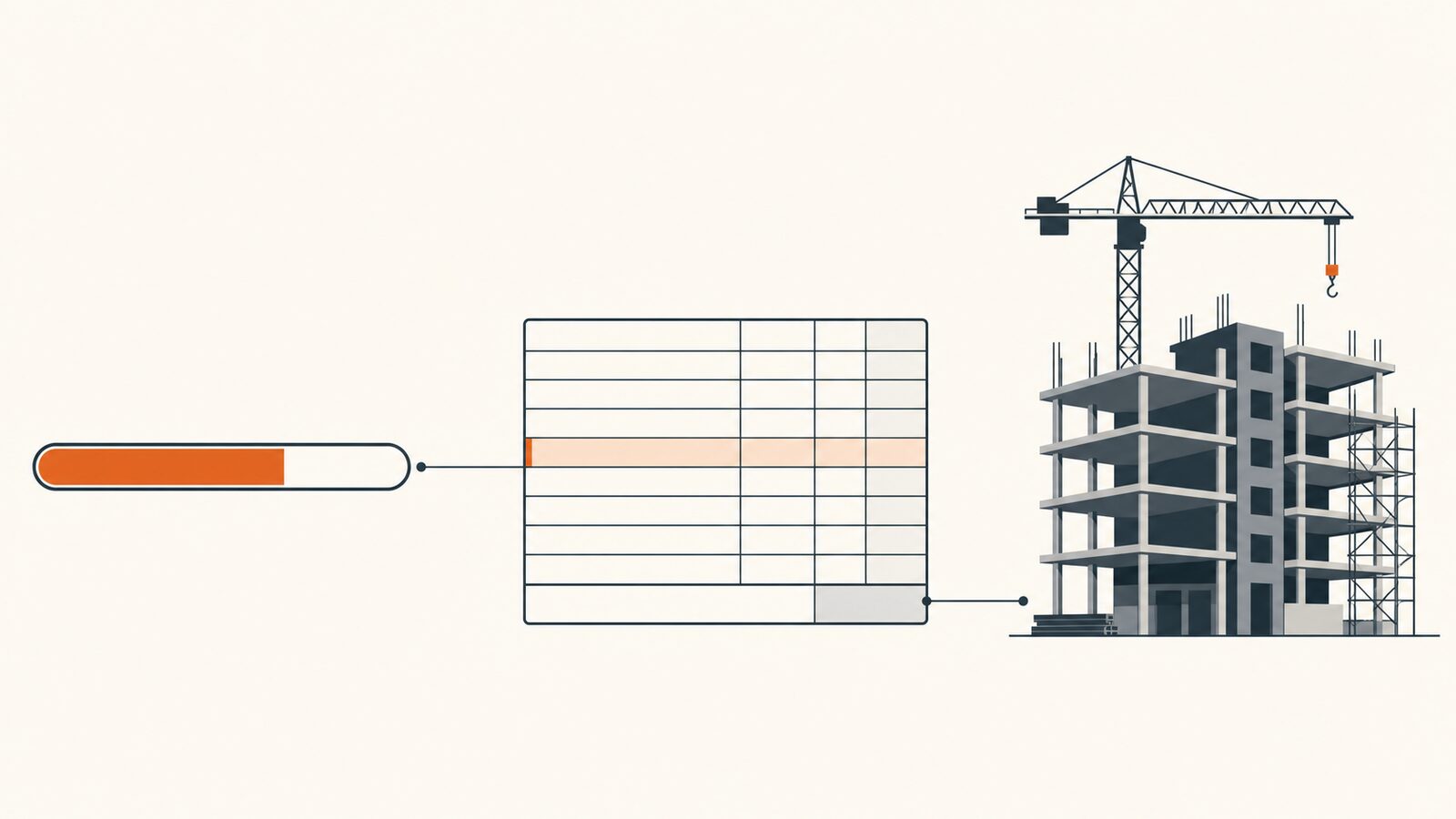
How to Track and Increase Your Bonding Capacity from Live Financials
Your bonding capacity isn't a fixed credit line — it's a number your surety reads off your work-in-progress schedule, and it moves every month. Here's how to calculate it, track it from live Procore financials, and grow it.
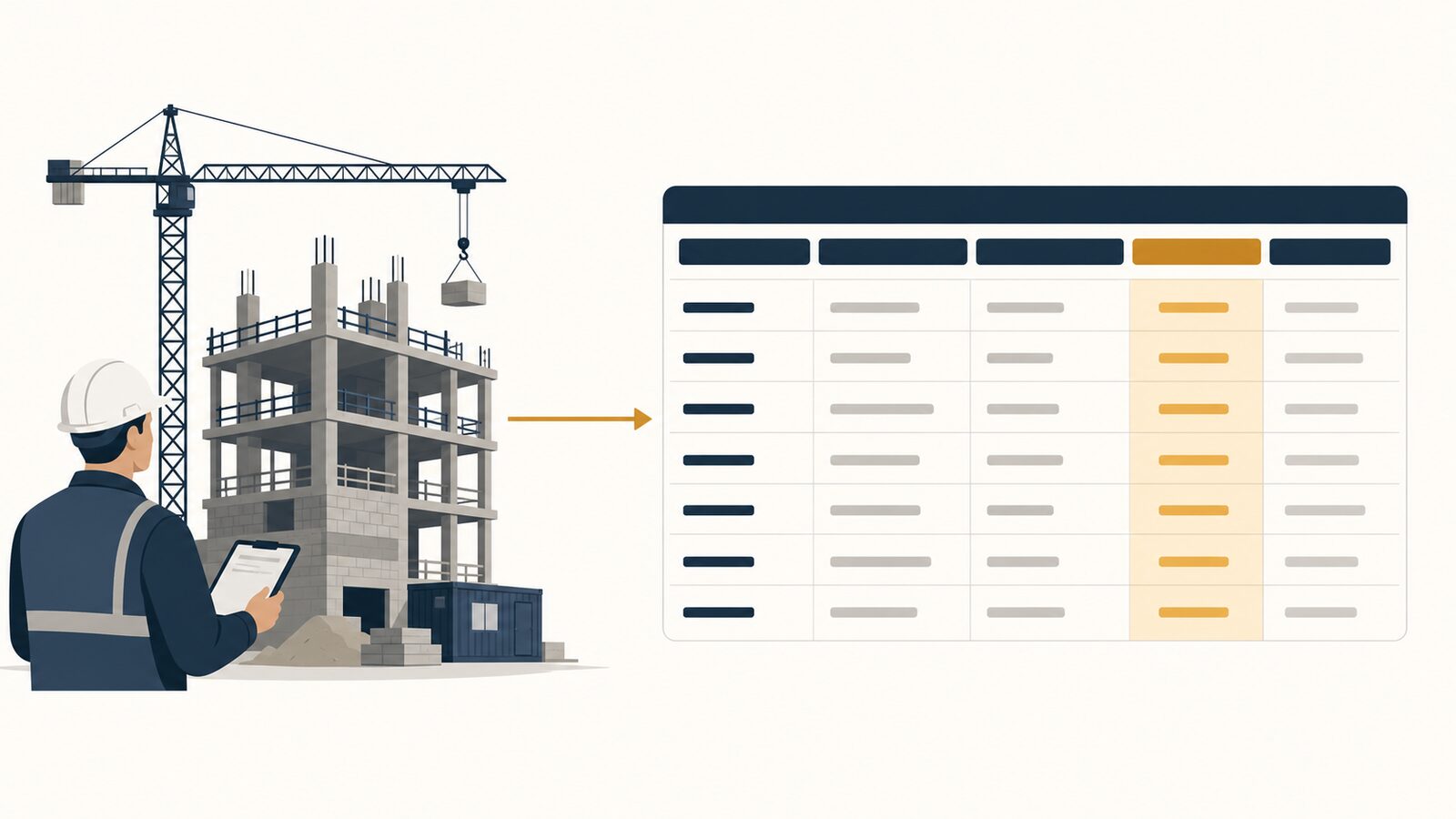
EAC vs ETC on a Construction WIP Schedule
ETC is the project manager's estimate of the cost still required to finish a job; EAC equals costs to date plus ETC. On a construction WIP schedule that one number sets your percentage complete, earned revenue, and projected margin.

Free Construction WIP Schedule Template (Excel) — and When to Stop Using It
A free Excel WIP schedule template with all 11 ASC 606 columns, formulas pre-wired, and a worked example — plus the honest checklist for when to stop maintaining a spreadsheet and pull the same columns from Procore instead.

What Is a WIP Schedule? The Construction Finance Guide (2026)
A WIP schedule is the monthly financial statement your surety, bank, and CPA use to judge every active job, comparing earned versus billed and the margin you will land at completion. Here are the columns, the formulas, and how general contractors actually produce one from Procore.

Profit Fade in Construction: How to Catch It Before Close (Not at Year-End)
Profit fade is your projected job margin shrinking as estimated costs climb. It hides until year-end because most teams rebuild the WIP too rarely. Here is how a controller catches it monthly, while there is still margin left to protect.

Can Procore Generate a WIP Report? Native Limits and the Faster Way
Procore holds the budget data but has no native WIP schedule. Forecast to Complete is not a surety-grade ETC. Here is exactly what Procore does, where it stops, and how to produce a bonding-ready WIP in about 45 minutes.
No articles in this category yet.
Monthly, like your close
One email a month. No fluff, just the numbers.
WIP technique, ASC 606 changes, and product updates — written for finance and field. Unsubscribe any time.